The Air Force is permanently engaged on numerous tasks within France, contributing directly to French citizens’ security. This activity is made possible by the day-to-day commitment of some 2,500 officers, NCOs and airmen who work on airbases throughout France, and covers areas as varied as flight safety, space surveillance, search and rescue of aircraft in distress, medical evacuation of French nationals and assistance to victims of natural disasters.
The Air Force as a Public Service
Since its creation, military aviation has always played a key role in the security of national territory and the population, and in so doing has contributed to the relative stability of major strategic balances. With the end of the Cold War in the 1990s, and the disappearance of the direct threats to our borders, the French Air Force, like the other services, began concentrating on building a force capable of being projected to face any adversary who might threaten national interests, and of being committed to multiple operations outside France. The ten years up to 2000 saw the Air Force involved in crises that the international community sought to resolve or at least freeze whilst a political solution was worked out. The events of 11 September 2001 suddenly put the mission of day-to-day protection of the French people back at the top of the Armed Forces’ agenda, pushing aside the concept of confrontation, to which our nations had been so attached up to then. As the Chief of the French Defence Staff said to the President in January of this year, ‘internal operations against terrorism and for the surveillance of our airspace and maritime approaches have become necessities’.
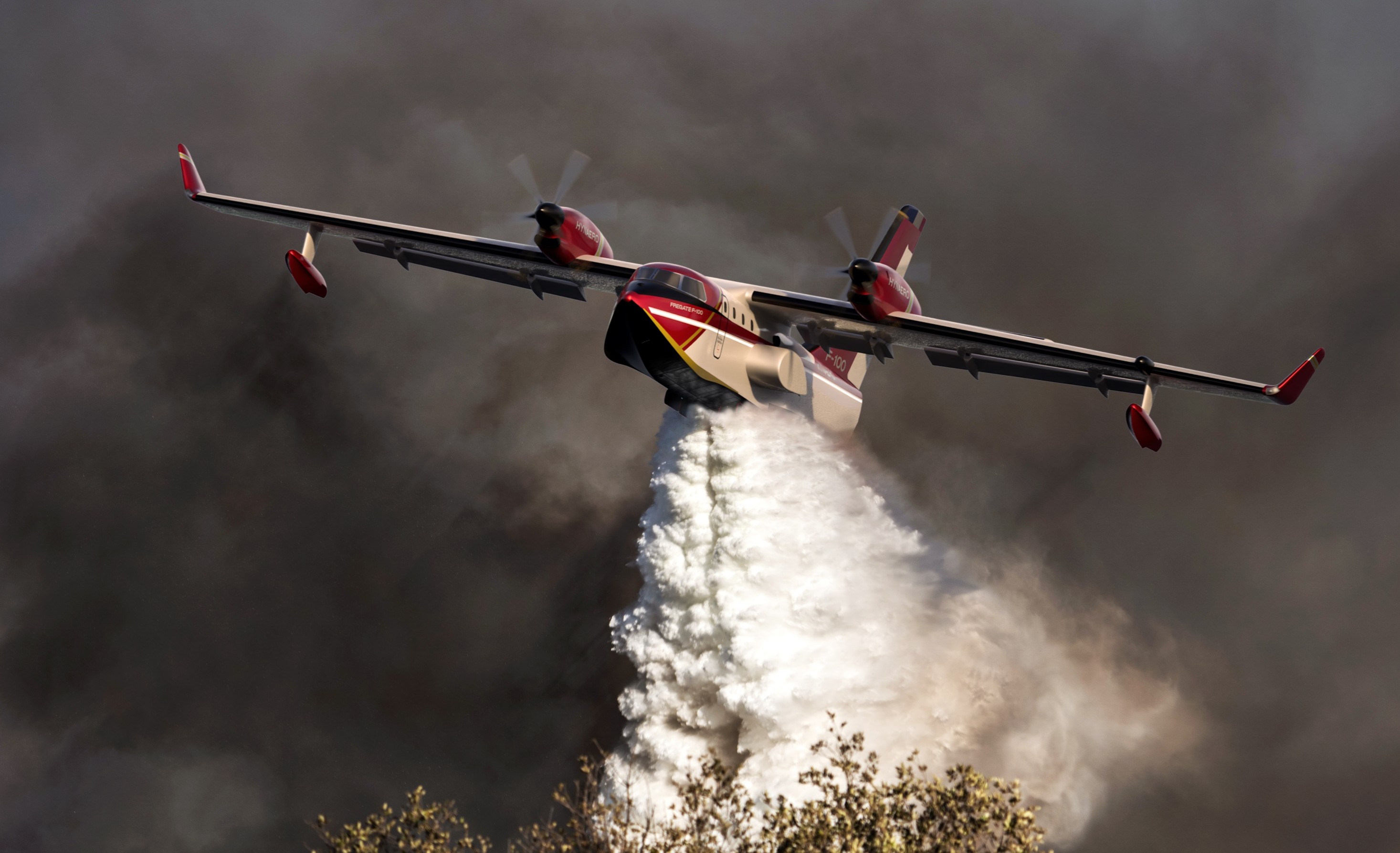
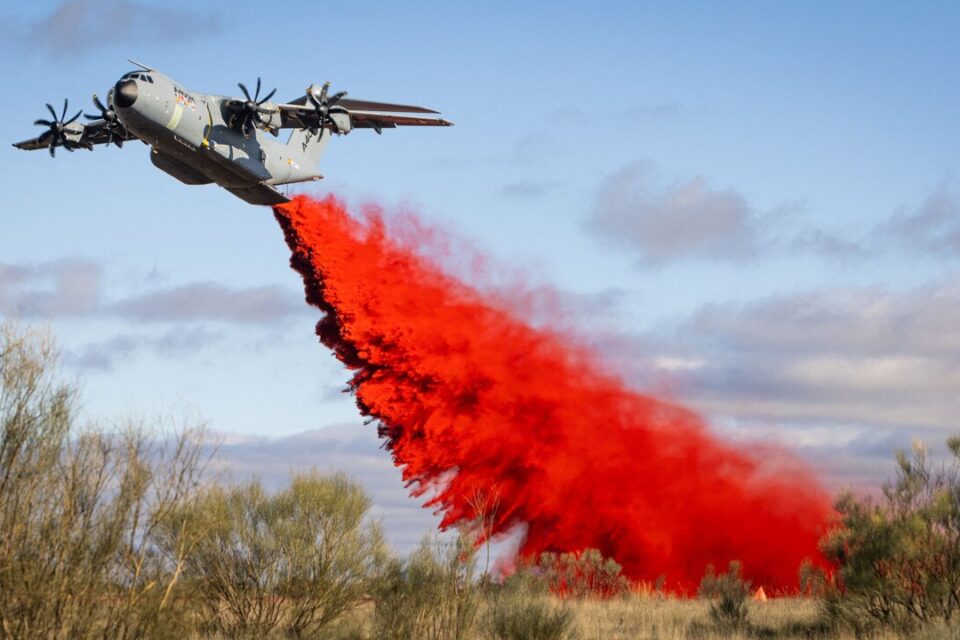
This article aims to review the operational activity of the Air Force in France in these different areas. It does not consider here the contribution to nuclear deterrence or external operations, but rather, in some detail, the many aspects of its involvement in protecting the daily security of our citizens. In the main this involvement concerns security in the skies in its broadest sense, but there are also many other missions, such as space surveillance, fighting forest fires, rescue of victims of natural disasters and search and rescue (SAR) in support of aircraft flying over French territory. Finally, the capabilities of the Air Force in intelligence gathering, force projection and air command from the homeland will be discussed.
Security in the Air
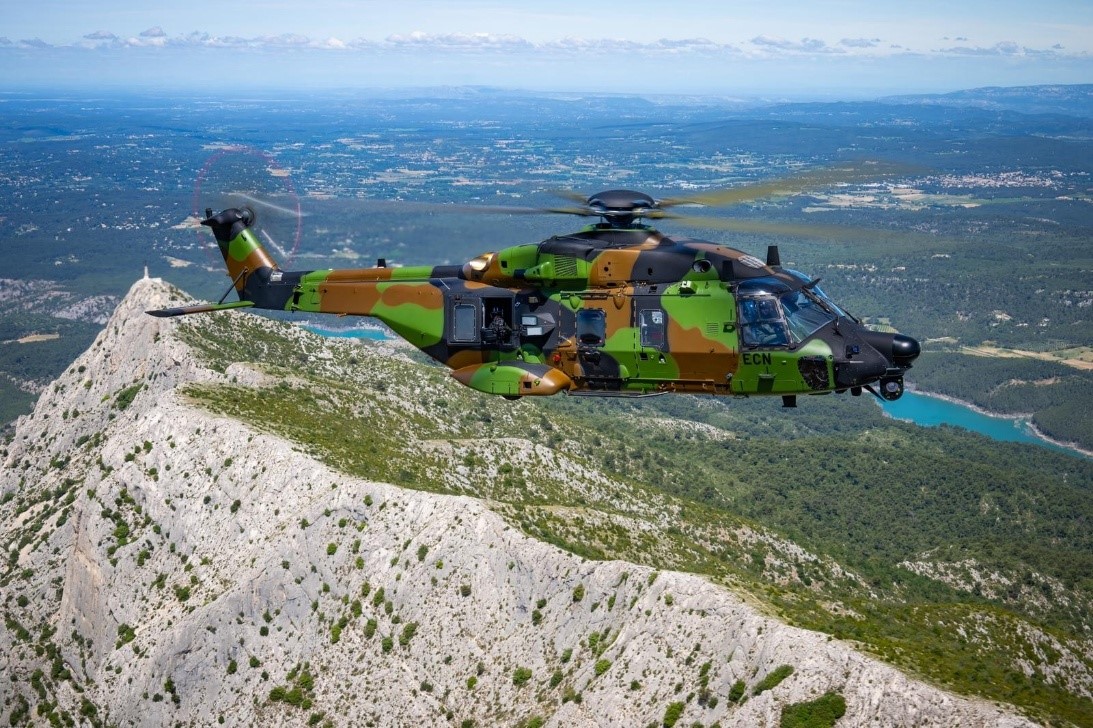
Since 12 September 2001 the mission of security in the air, to which the Air Force contributes, and which is ‘to enforce respect of national sovereignty in French airspace and to ensure the defence of the territory against all threats from the air’,(1) has had to face a completely new environment and a far more complex set of requirements and limits. On that day, the 8,000 aircraft which daily fly through the skies of France became potential weapons, requiring the establishment of new protective measures. This led to a total rethink on how air defence assets should be used (from a legal point of view, and how the various players in the decision-making process should act) in order to be able to respond in extremely short reaction times and to completely new criteria. Numerous changes had to be made to improve air traffic detection, identification and classification capabilities, to improve threat evaluation and to reduce reaction time. The intervention capabilities of intercept aircraft, both fighters and helicopters, were also reinforced in order to be capable of gathering extra information about, or of exercising a graduated response in terms of force–depending on the circumstances–against any aircraft judged potentially threatening. The surveillance of the sky over France and the capacity for intervention depend on the permanent availability of a system which, under the authority of an air control centre, can bring into play several military centres for detection and control, fighter aircraft based in four to six air bases, an in-flight refuelling capability, the E-3F airborne early warning system, marksmen in special helicopters and ground-to-air assets, should they be needed. Additionally, a number of pilots, mechanics, air traffic controllers and personnel of all specialisations stand ready to face any threat from the air.(2) This amounts to around 900 people, available 24 hours a day. In 2006, fighters made 900 alert take-offs to verify the identity or the intentions of aircraft, and Air Force helicopters took off more than 550 times for the same purpose. The task of policing the air sometimes takes on the aspect of rescue and assistance to all types of aircraft in difficulty, both civil and military. During 2006, alert aircraft took off 200 times for the sole purpose of going to the aid of aircraft in difficulty.
Il reste 72 % de l'article à lire