The author describes the present and future roles of navies, particularly on the open sea. The framework of their actions is necessarily international and interdepartmental in order to profit from synergy of effort. This synergy helps maintain the security of the Mediterranean region by guaranteeing stability that in turn promotes prosperity in the nations that surround it.
Maritime Operations in the Mediterranean
The longstanding imbalance between the northern and southern shores of the Mediterranean, concerning differences in standards of living but also modes of governance and internal security, has had marked consequences on the current illicit traffic at sea. This traffic is likely to grow significantly over the next few years if this difference in development continues. Criminal and terrorist groups could benefit largely from this evolution. Navies of the world, both an armed force and a public service, cannot ignore this situation: the terrorist threat and arms trafficking—in particular weapons of massive destruction (WMD) or their associated components—could benefit from an increase in clandestine immigration or drug trafficking. The capabilities of navies on the open sea are complementary to those of administrations or official services in coastal waters. They must cooperate within a national framework not only with the administrations concerned but also internationally in order to prevent disorder within the Mediterranean basin. Navies must also continue to adapt their means to today’s risks and threats and also develop their doctrine to match the understanding and evolution of the rule of law at sea. It is on these conditions that the navies of the world will be able to effectively contribute to the fight against criminal groups, who are increasingly determined and imaginative in finding ways to continue their illicit trafficking.
Navies on the Open Sea
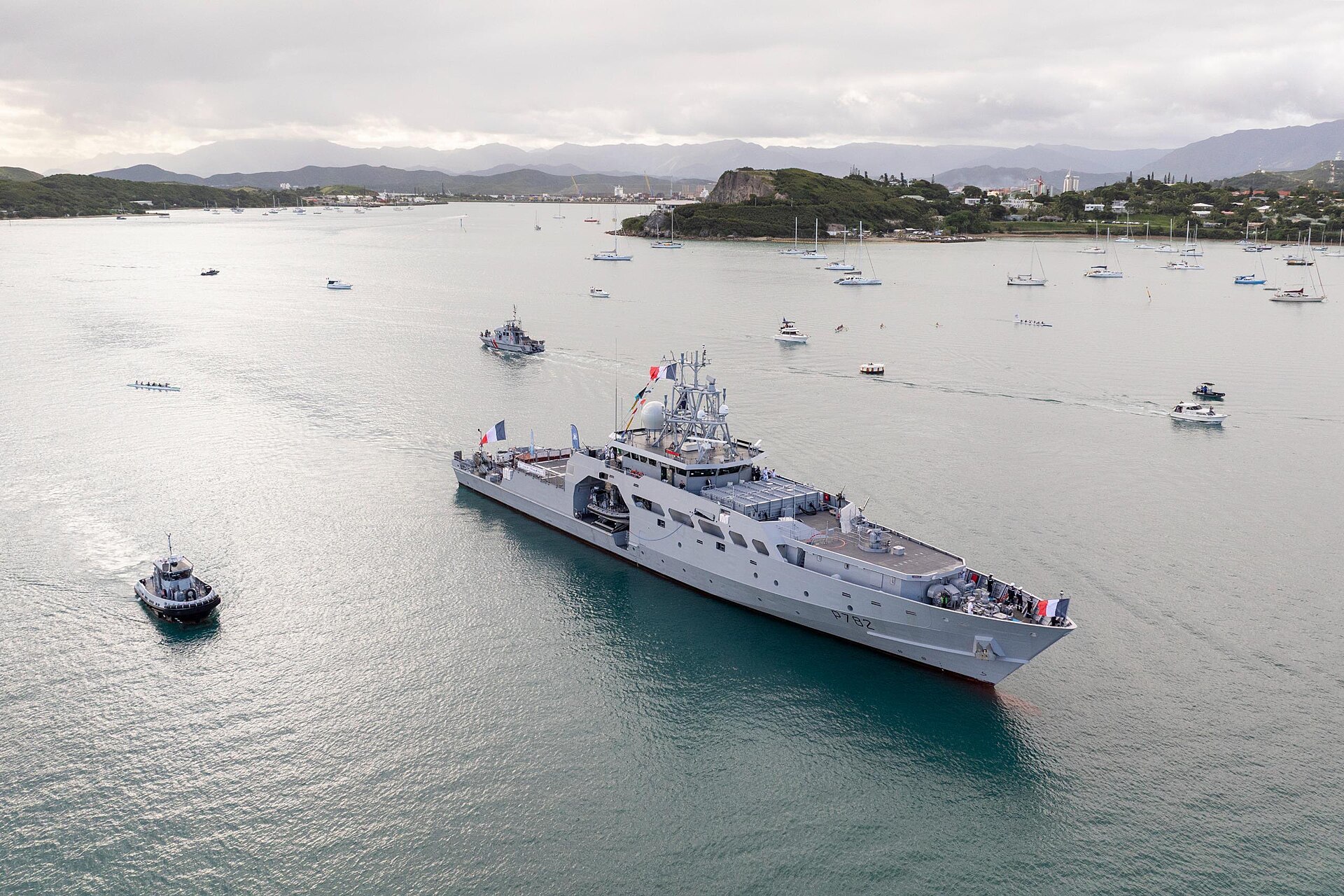
During 2007, the French Navy in the Mediterranean participated in three missions that well illustrate the way its engagements at sea have evolved in the last few years. In the first, off the coast of Lebanon, a French frigate operated in cooperation with the Lebanese Navy to help in the training of its crews in coastal monitoring in high traffic zones, and thus in preventing prohibited armaments from entering Lebanon. The second took place in the central Mediterranean to monitor blue fin tuna fishing activities and clandestine immigration in cooperation with countries of the region. During the operation, one of our frigates recovered corpses, following a shipwreck. Lastly, in the third mission the Navy contributed many units to the fight against drug trafficking in the western Mediterranean, in cooperation with Spain and within an interdepartmental framework.
Il reste 84 % de l'article à lire


.jpg)