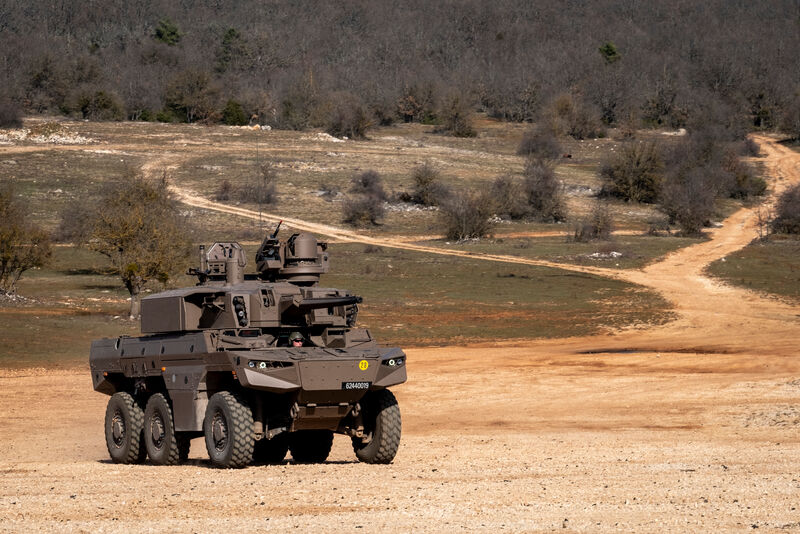
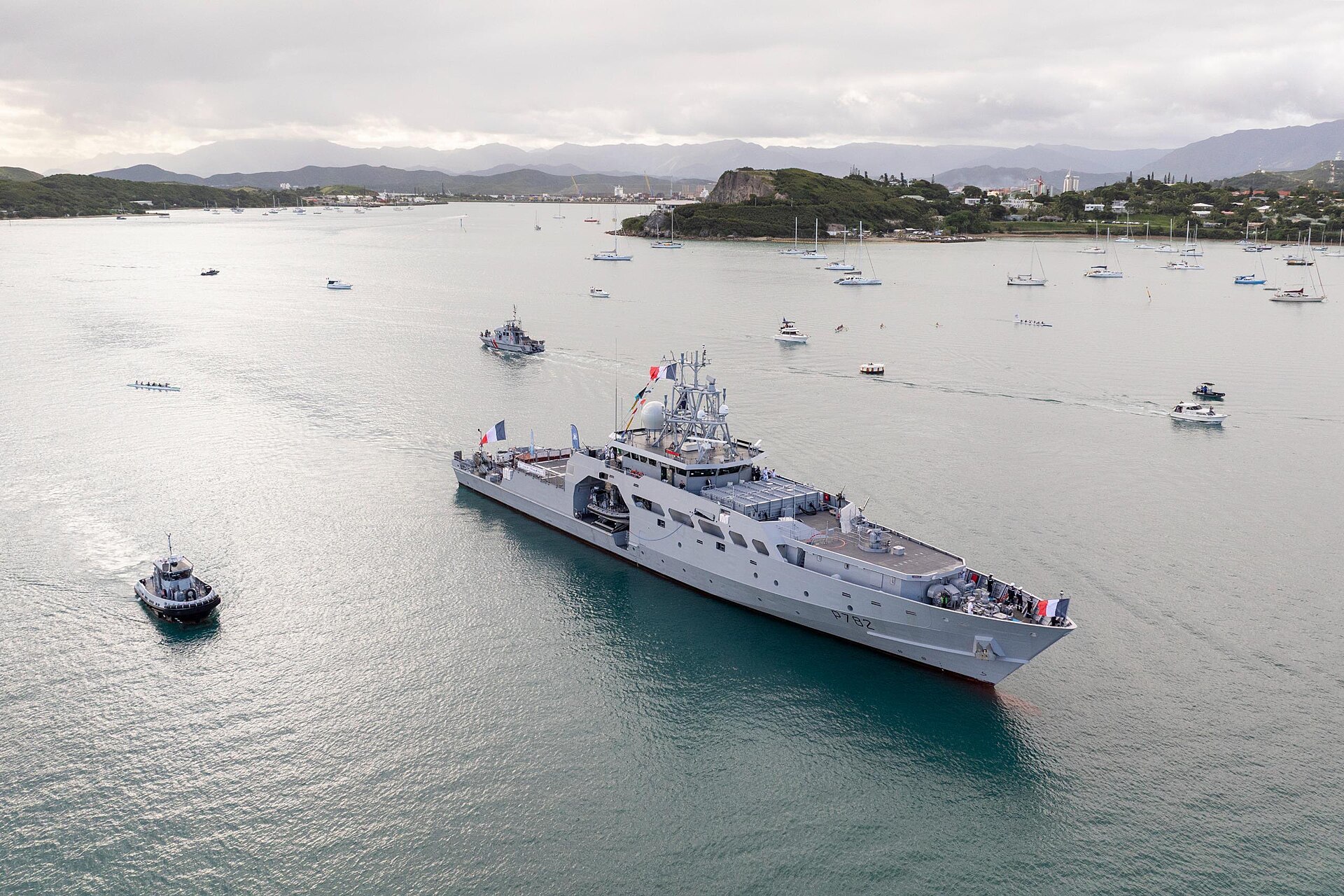
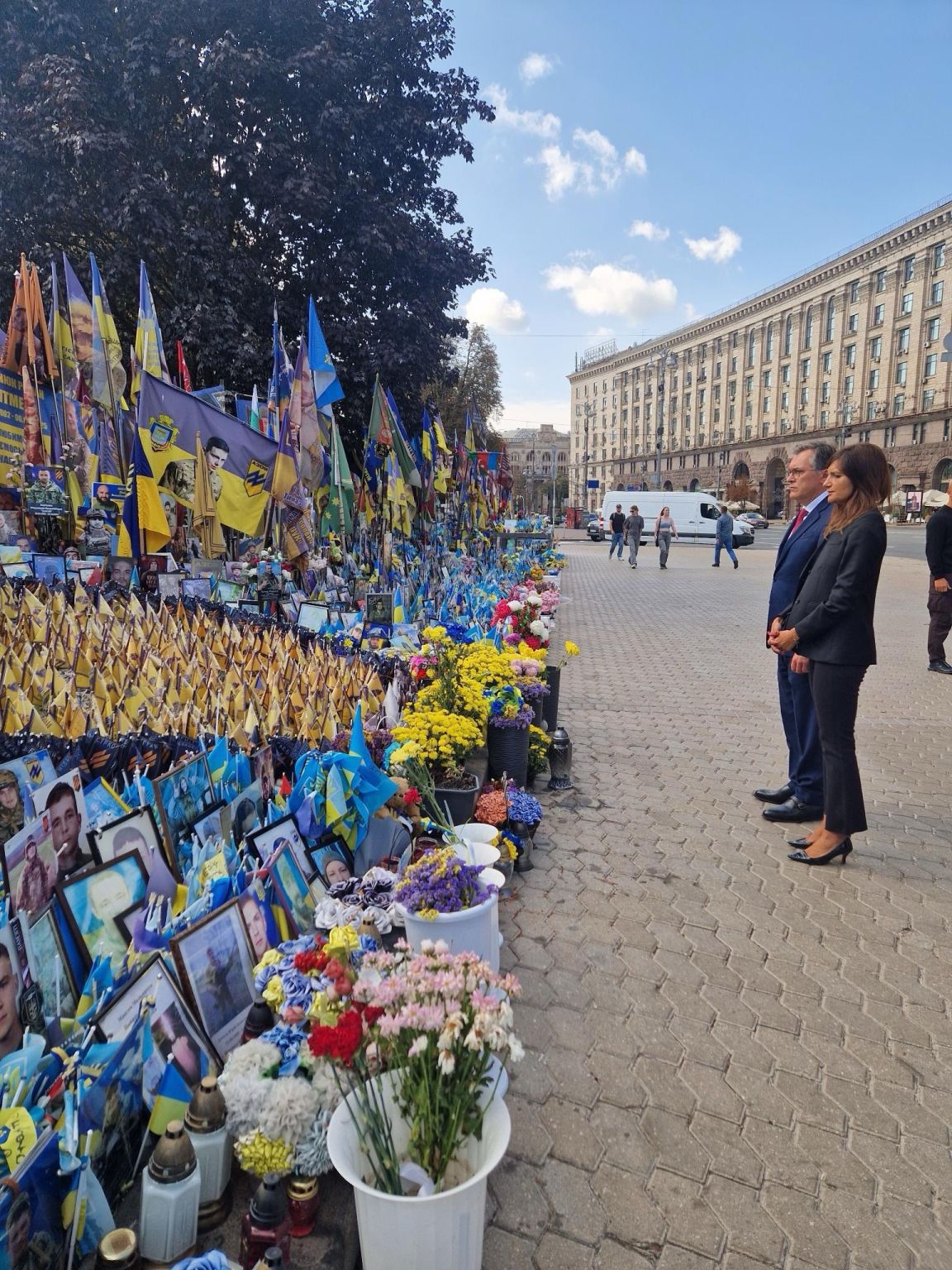
After a preliminary analysis of events in Georgia in early August 2008, what message are we getting? According to whether you are Georgian or Russian it will obviously not be the same message. But how are we to react, in this early part of the twenty-first century, as a player on the international scene, in the face of violence and military force on Europe’s boundaries? Rather than simply reacting to events and trotting out the old Cold War clichés, how can we better apprehend our future and the role of strategy in it?
Events in Georgia: Strategic Surprise or Strategic Challenge?
On 7 August 2008 we were woken abruptly with the grinding of tank treads at our gates! In the middle of the northern hemisphere Olympic summer as the world’s major sporting event was getting under way our media were once again echoing to the sounds of combat on our frontiers. Was that the end of the usual summer news and of athletic glory? In any event, dynamic military activity quickly came to a halt. Because of international political pressure, because they ran out of combatants, or because the objectives had been attained? We don’t yet know why. And as usual in these troubled times, where militia forces have complete freedom of action, when there is no real controlling authority on the ground, and the media are barred from the area, time stops and the course of history hesitates. Could this happen elsewhere, closer to or further from Europe, and if so, where? Were we taken by surprise? The future will tell us, of course.
Since the end of combat operations in the Balkans, nearly ten years ago, and the subsequent fragile pacification, this type of military action seemed improbable, not to say out of the question, in the Euro-Atlantic theatre. Why is history, recently described as having ‘ended’, once again on the march?
The Soviet Union has disappeared from the map, its empire has trembled and large chunks of it have broken away from the edges, to seek other alliances or to live in isolation, and East-West bipolarity has evaporated. And so what was regarded as the permanent cause of potential conflict in ‘the West’ throughout the second half of the twentieth century has faded away.
Il reste 88 % de l'article à lire