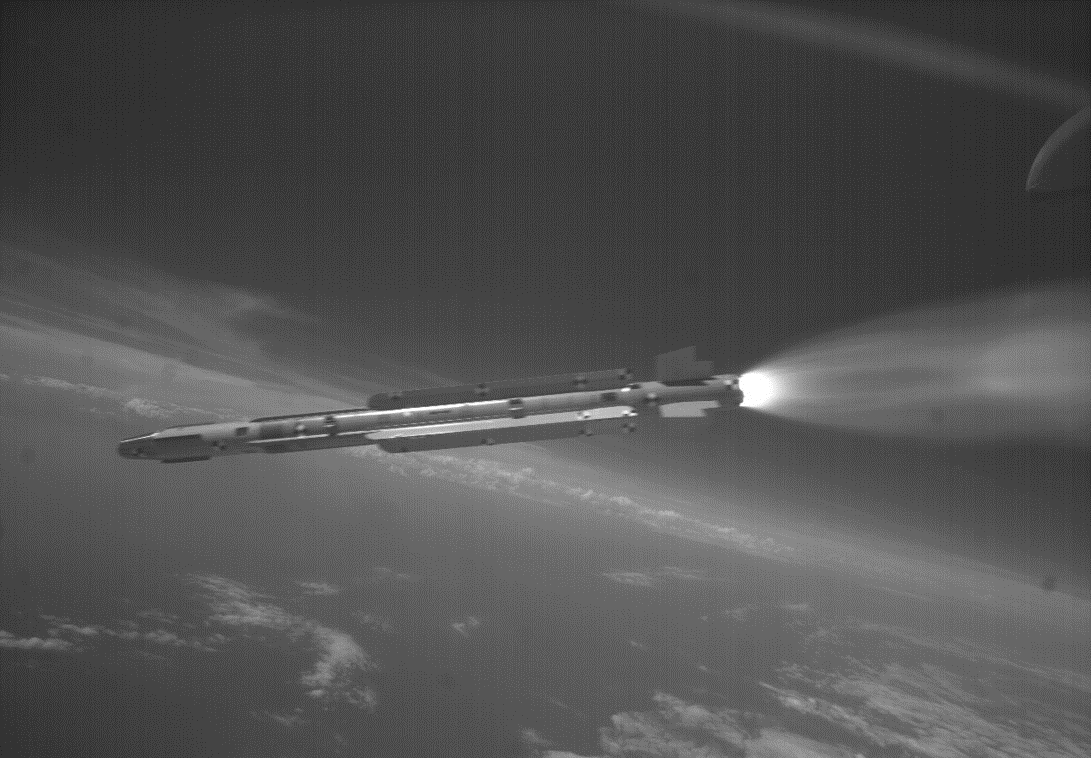
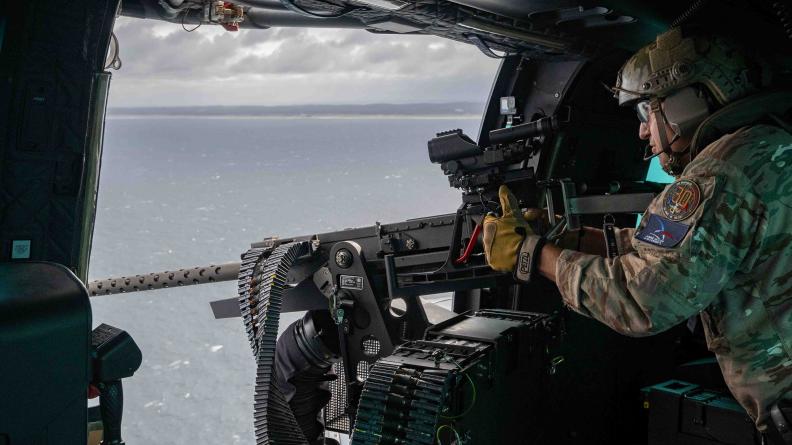
The drones that are increasingly employed over operational theatres pose a number of moral and legal questions when armed and used in surgical strikes.
Armed UAVs Come Under Fire
A feature of modern conflicts is the growing recourse to new technologies.(1) Among these is the drone, whose numbers in warlike operations are continuously rising; they also seem to be the main issue in the debates generated by the incidents concerned. There is nothing new about the existence of these weapons systems; on the other hand their proliferation, both vertical (the increase in the numbers of weapons systems) and horizontal (the increased number of states operating them) seems to be more recent. As some 43 states either operate or are actively developing them, it seems clear that they have become a weapon of choice.(2) Yet their use in modern war raises many questions.
These came to the fore as a result of a development which dates from 2001. It was then that the first remotely piloted airborne platforms, which were originally designed for ISR (intelligence, surveillance, and reconnaissance) missions, started being developed to allow them to carry and deliver weapons. The first use of armed UAVs (unmanned aerial vehicles) was by the United States in Yemen in 2002; while this was considered an exception at the time, there have been major developments since. Much has been published on this subject in both the written and audiovisual media, to the extent that the MQ-1 Predator and the MQ-9 Reaper have gradually migrated from the pages of the specialised press to those of the mass circulation media. Wide general interest in the issue brings with it certain disadvantages; access to such information means that the general public can intervene in debates which were formerly closed, professional discussions.
The legitimacy of UAVs dedicated to ISR roles is not at issue. However, the debate these days is centred on the delicate question of the moral legitimacy (and the legality) of armed systems. But is this question really being examined in the right context? We need to look at the justification for such systems and what we hope to gain from them, before we look more specifically at armed platforms and the complications which their use bring with them.
Il reste 90 % de l'article à lire