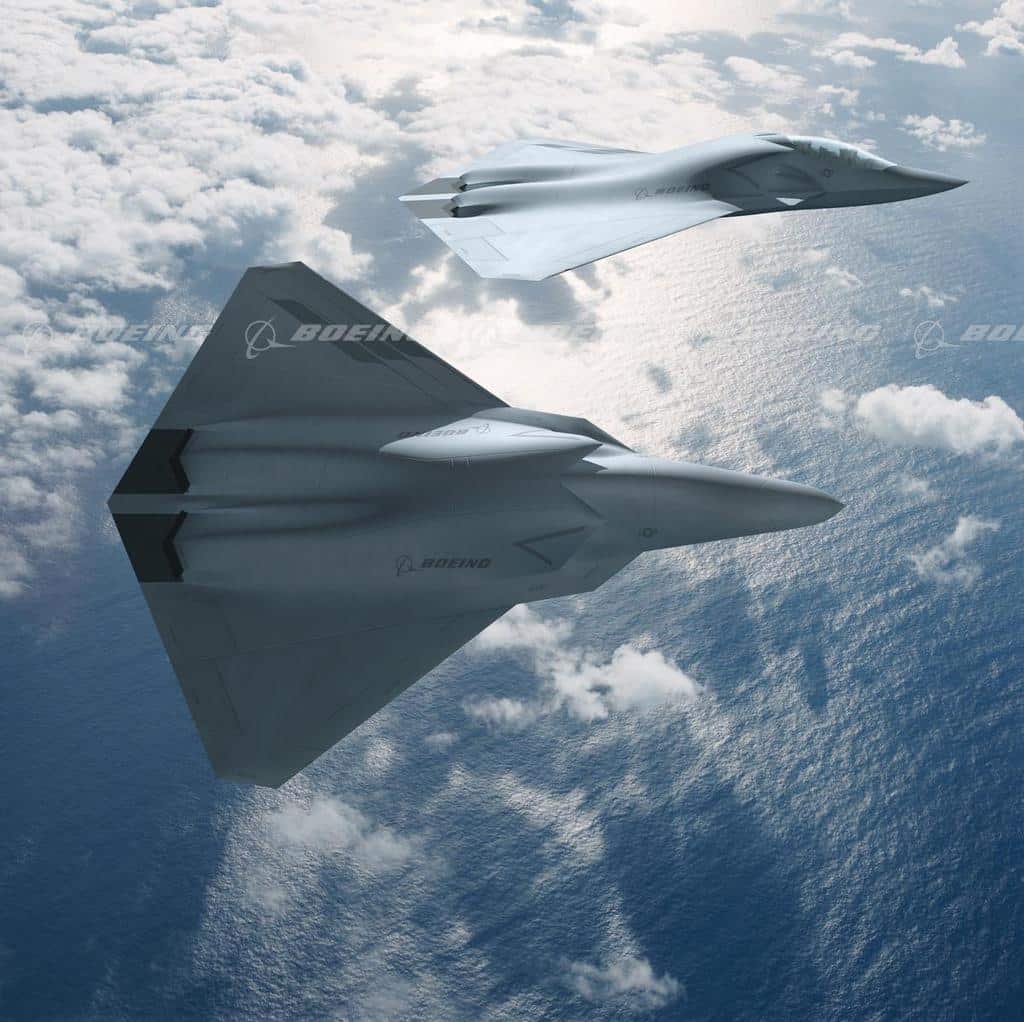
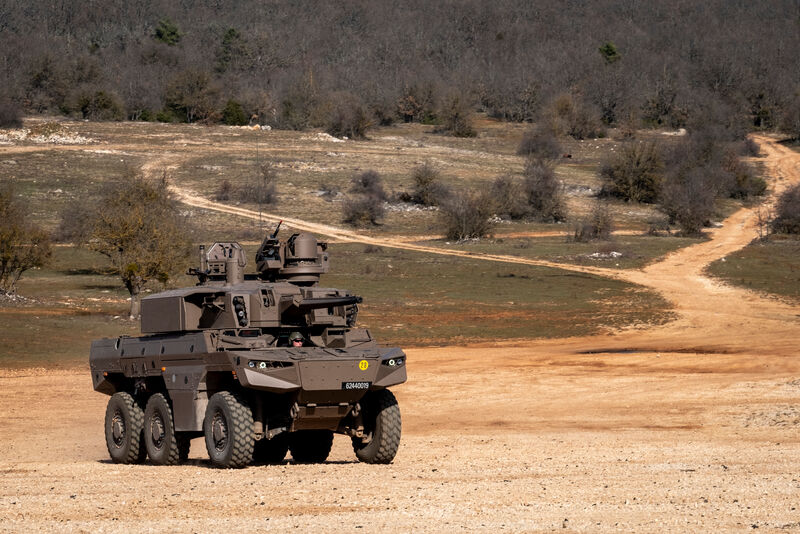
Responding to a major shift in their references and a new emerging balance, aviators have been able to rely on the time-honoured values of their service and are on course towards the assigned objective: a 50,000-strong Air Force, focused on its core trade—aeronautical expertise—and committed to operating in the joint and inter-allied dimensions. To fulfil its missions, the Air Force will, more than ever, put the emphasis on its human resources policy: it must personalize management and nurture the cohesion of the aeronautical military community, as well as making sure that it hands down its most precious legacy: service ethos and identity.
Human Resources: What Profile for Tomorrow's Air Force?
As we are about to celebrate its 75th anniversary, the Air Force is preparing to enter a pivotal phase of its history, with a number of momentous changes in the offing. Not that it is not used to restructuring—in a way it is part of its culture, and our ‘old-timers’ constantly strove to adapt its format and organization to a changing environment.
Today, it is involved in a much wider changing process that extends far beyond the framework of defence only. Upon completion of the reform, the Air Force will be smaller, more compact, re-focused on its core trade—operational missions—and will, in many respects, operate in a renewed environment.
While we shall refrain from gazing into a crystal ball, it is vital to put into perspective the human, social and cultural aspects of ‘tomorrow’s Air Force’ whose outlines, admittedly, may seem blurred.
Il reste 94 % de l'article à lire



.jpg)